Research
Research & Writing
MEng Dissertation · University of Southampton · May 2024
How do Human Factors Impact Women's Participation and Performance in Space Missions?
Supervisor: Dr Katherine Plant · Word Count: 13,123 · Qualitative Inductive Literature Review
Abstract & Research Question
As sights are set on Lunar and Martian colonisation, understanding how human factors impact astronauts' participation and performance is vital. This dissertation investigates the effects human factors have on female astronauts' participation and performance in space missions, particularly compared to male astronauts.
The study used a qualitative inductive literature review methodology, investigating three main human factors: physiological, psychosocial, and organisational. Through thematic content analysis, these factors were refined into subfactors, each analysed to evaluate its impact on women's participation and performance in space missions.
Key Finding
Female astronaut performance is more greatly impacted than male astronauts' in space missions. Most of the human factors investigated were found to be barriers to astronaut participation and performance in space missions. A third key finding: female participation is more affected than male participation by human factors in space missions.
Background & Motivation
In 1959, NASA initiated its first human spaceflight program — the (all-male) Mercury 7 Program. A secret all-female spaceflight program was also taking place, known as the Mercury 13. Despite completing all three testing phases, Geraldyn (Jerrie) Cobb scored in the top 2% of all candidates of both genders, surpassing some of the chosen Mercury 7 male astronauts. However, with limited funding and a lack of approval from NASA, the all-female Mercury 13 program was cancelled.
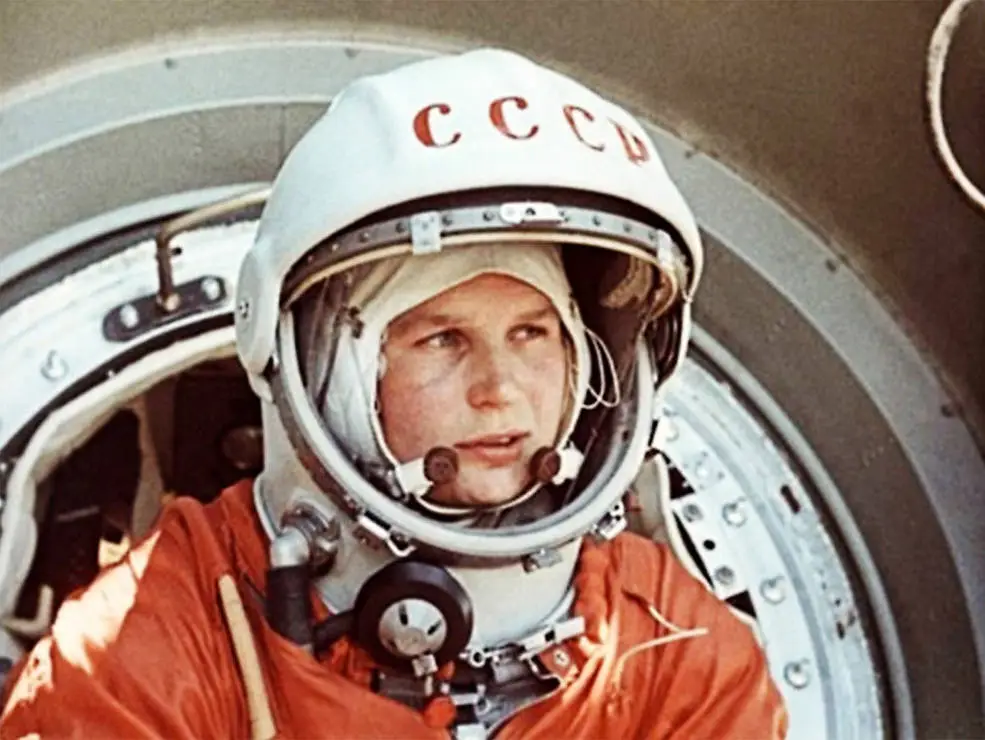
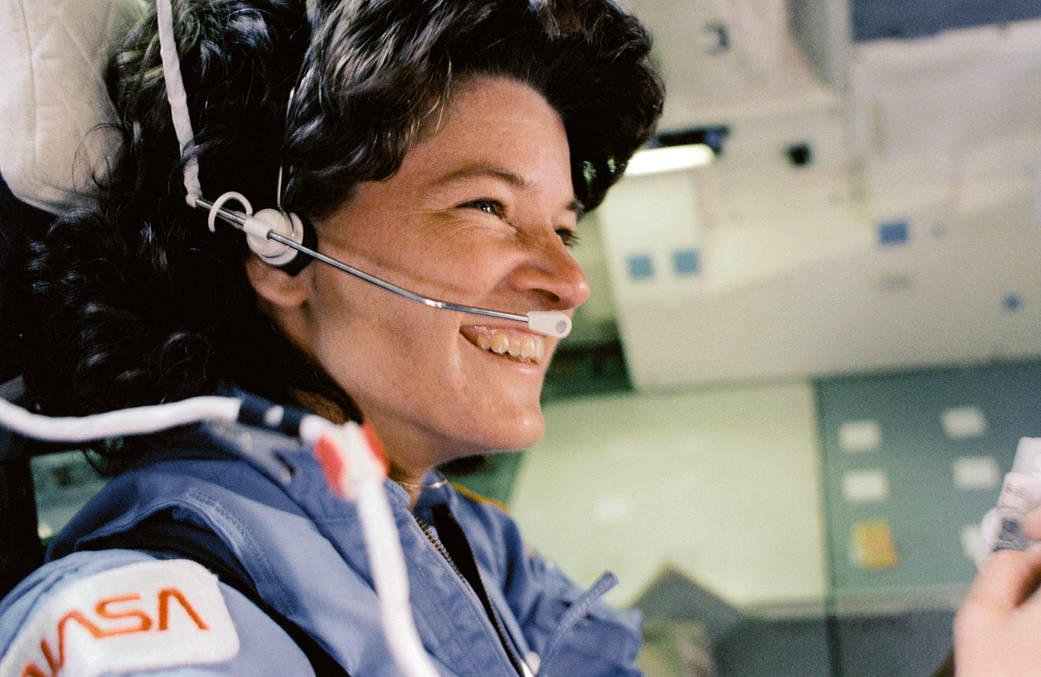
Russian cosmonaut Valentina Tereshkova became the first woman in space in 1963, yet only two years after the first man in space (Russian cosmonaut Yuri Gagarin). Tereshkova would not be joined in the history books by an American female astronaut for the next 20 years — until Sally Ride became the first American woman in space in 1983.
Key Milestones
Yuri Gagarin — first human in space (Vostok 1)
Valentina Tereshkova — first woman in space (Vostok 6)
Sally Ride — first American woman in space (STS-7)
562
People have flown to space (as of 2020)
11.4% women
14%
Female astronaut participation in space missions since 2020
25 of 165 total participants
39.8
Mean age of female astronauts on first space mission
vs. 51 yrs for male avg. menopause age
Methodology — Literature Review
Due to the nature of the research question, a qualitative inductive research approach was used — an interpretive social analysis rather than positivism. The primary form of data collection was a traditional meta-analysis literature review, combining systematic and meta-synthesis approaches to identify relationships and gaps, and develop further knowledge.
Table 2.2 — Literature Search Summary (Google Scholar)
| Search Terms | Total Results | Top Sources Reviewed | % Physiological | % Psychosocial | % Organisational | % Met Full Criteria |
|---|---|---|---|---|---|---|
| Women, Spaceflight, Human Factors | 23,700 | 30 | 64% | 25% | 11% | 53% |
| Spaceflight, Psychosocial, Women | 4,830 | 20 | 20% | 75% | 5% | 55% |
| Spaceflight, Organisational, Women | 18,300 | 20 | 31% | 14% | 55% | 55% |
| Spaceflight, Political, Women | 17,000 | 20 | 5% | 0% | 95% | 55% |
Research Philosophy
Interpretive
Research Strategy
Inductive
Research Method
Literature Review
Data Analysis
Grounded Theory & Content Analysis
Literature Review Methods
• Meta-Synthesis
• Traditional
Research Data
• Qualitative
7-Step Method Process
Systematically search literature using defined search terms and inclusion/exclusion criteria
Document literature specifics: search terms, results count, topics, date accessed, sample sizes
Critical reading & evaluation: read 20+ pieces per chapter, noting key facts, quotes, and limitations
Data analysis: identify most recurring keywords and underdeveloped concepts
Compare results: compare study conclusions and identify discrepancies
Present findings: categorise data and present literature findings clearly and concisely
Discussion: discuss results and provide recommendations for future studies
Chapter 3 — Physiological Factors
A total of 67 pieces of literature were collected and reviewed. Physiological factors were categorised into five biological systems: cardiovascular, neurosensory, immunological, musculoskeletal, and reproductive. Eleven subfactors were identified as key influences on female astronaut participation and performance in space.
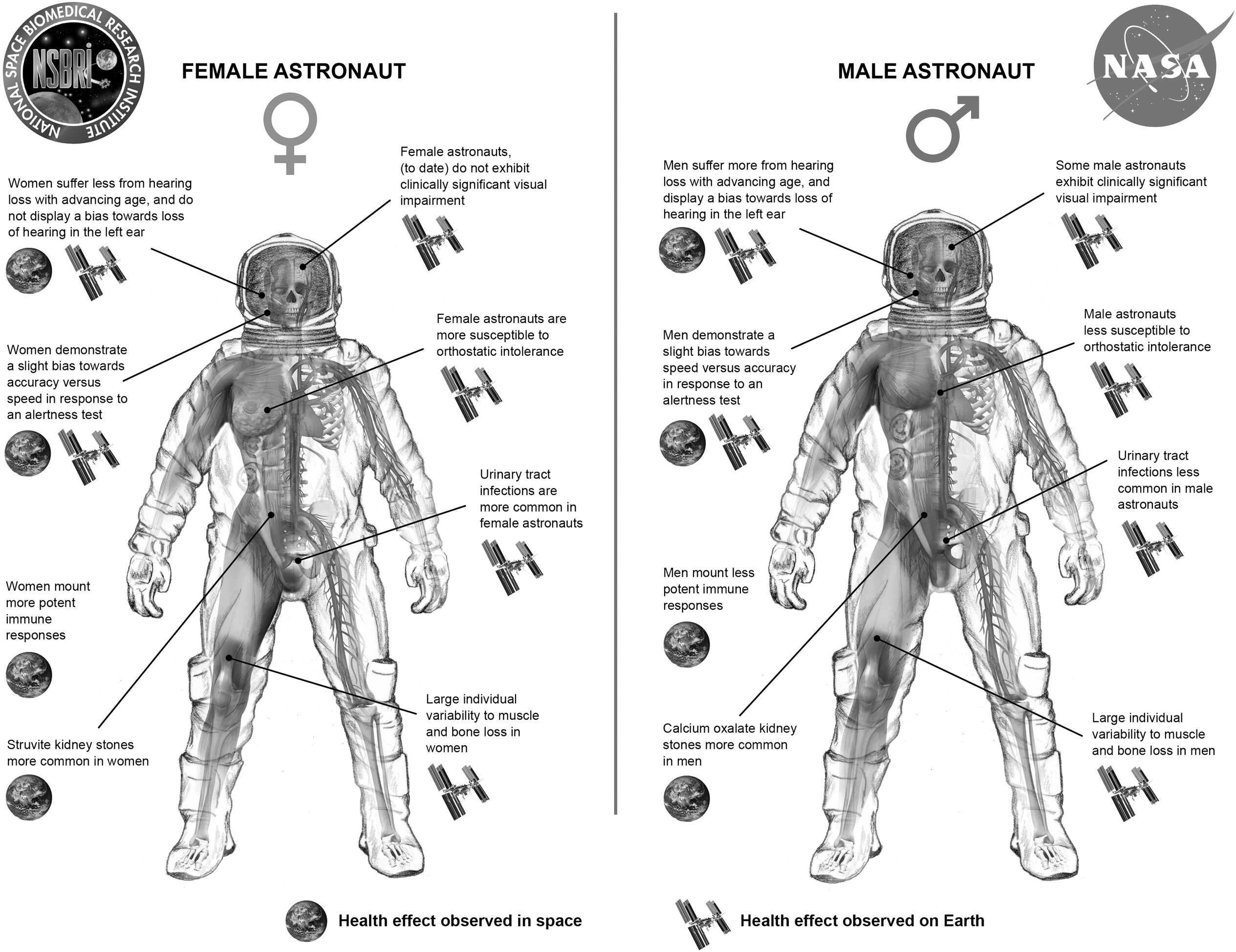
Fig 3.1 — Key Physiological Differences: Female vs Male Astronauts
Cardiovascular System
Female Astronauts:
More susceptible to orthostatic intolerance (100% presyncope post short-duration missions)
Male Astronauts:
More susceptible to SANS (Spaceflight Associated Neuro-Ocular Syndrome)
Immunological System
Female Astronauts:
Mount more potent immune responses; struvite kidney stones more common
Male Astronauts:
Mount less potent immune responses; calcium oxalate stones more common
Neurosensory System
Female Astronauts:
Less hearing loss with age; no clinically significant visual impairment to date
Male Astronauts:
More hearing loss with advancing age; some exhibit clinically significant visual impairment
Reproductive System
Female Astronauts:
Radiation-induced risk to ovaries; menstrual cycle management required; fertility not significantly affected post-flight
Male Astronauts:
Short-term sperm reduction from radiation; microgravity increases risk
Fig 3.2 — Distribution of Physiological Literature by Biological System (n=67 sources)
- Musculoskeletal
- Cardiovascular
- Reproductive
- Immunological
- Neurosensory
3.3.1 — Orthostatic Intolerance & Presyncope (Cardiovascular)
Orthostatic intolerance (inability to tolerate an upright posture / near-fainting without loss of consciousness) is one of the most researched areas of cardiovascular health for astronauts. Post-spaceflight experiments have found a greater incidence of presyncope in returning female astronauts than male counterparts.
Fig 3.4 — Post-Spaceflight Presyncope (short-duration, 5–16 days)
- Presyncope %
100% of female astronauts (n=5) vs 20% of males (n=30) experienced presyncope post-flight
Fig 3.3 — Presyncope in Bed-Rest Experiments (5–16 days)
- Presyncope %
28% females (n=25) vs 7% males (n=140) in bed-rest simulation experiments
The studies explored recurring physiological explanations: reduction of plasma volume loss in women, higher heart rates, lower blood pressure, and reduced leg vascular resistance. Female astronauts also overrepresent the general female population but greatly underrepresent the general female population in these studies.
3.3.2 — Spaceflight Associated Neuro-Ocular Syndrome (SANS)
SANS — described as the "leading spaceflight-related health risk" — has been found to affect a high percentage of all astronauts, particularly those undertaking long-duration spaceflight (>30 days) aboard the ISS. Of 170 LDSF crewmembers studied, only 18 have been women (P = 10.6%). Female astronauts exhibited milder symptoms of SANS. However, the causes of sex differences in SANS susceptibility remain unclear.
3.4 — Immunological Risks: Relative Risk by Condition & Sex
- Female %
- Male %
3.5.1 — Radiation-Induced Cancer Risk
Female Higher Risk
Women are more prone to radiation-induced breast, lung, and thyroid cancers. Cancer mortality and incidence rates are 50% higher for women than men. ISS radiation exposure is 30× Earth's daily background dose.
Male Higher Risk
Men are more prone to radiation-induced prostate cancer in the gonads. On the other hand, men are more prone to radiation-induced cancer in the gametes and the gonads. Sex-based cancer susceptibility requires reduced maximum allowable time spent in space for female astronauts.
3.6 — Musculoskeletal System (Bone & Muscle)
Spaceflight induces muscle atrophy due to prolonged weightlessness. Female muscles generally have less muscle mass than males, with smaller and more fatigue-resisting slow-twitch fibres (type I). Some evidence suggests there are more significant reductions in muscle atrophy of slow-twitch fibres in microgravity. Physiologically, men generally have greater bone mass than women — postmenopausal women generally increase BMD loss. Female astronauts are more likely to be in a high-risk category due to these gender differences, though BMD loss is increased in male astronauts as well.
3.7 — Reproductive System
The mean age of female astronauts on their first mission is 39.8 years. Most female astronauts experience menstruation during training and space missions. A large percentage of women chose to use oral contraceptives (OCs) during both short and long-duration space missions. OCs are beneficial for reducing menstruation and increasing oxytocin (stress-relieving). Literature suggests neither male nor female astronauts have reported pregnancy complications post-flight, and female astronauts show no significant differences in reproductive health compared to the average US woman. 44.7% of female astronauts postponed childbearing until after their career.
Table 3.1 — Summary of Physiological Factors (11 Subfactors)
| Factor | Impact Type | Who is More Impacted? | Enabler / Barrier |
|---|---|---|---|
| Orthostatic Intolerance & Presyncope | Performance | Female Astronauts | Barrier |
| Spaceflight Associated Neuro-Ocular Syndrome (SANS) | Performance | Male Astronauts | Barrier |
| Space Motion Sickness | Performance | No significant difference | Barrier |
| Auditory Function | Performance | Male Astronauts | Barrier |
| Radiation-Induced Cancer | Performance | Female Astronauts | Barrier |
| Stone Formation | Performance | No significant difference | Barrier |
Chapter 4 — Psychosocial Factors
Psychosociology is defined as "the study of problems common to psychology and sociology" — individual responses to stressful environments and group dynamics. A total of 69 pieces of literature were reviewed across three sections: psychosocial screening, behavioural health, and crew dynamics.
Fig 4.1 — Psychosocial Literature Distribution (n=69 sources)
- Psychosocial Screening
- Behavioural Health
- Crew Dynamics
- Other
Fig 4.3 — ESA 2008/2009 Astronaut Selection by Gender
- Men %
- Women %
Of 902 total candidates, only 46 met psychological requirements (5%). 6 of 46 finalists were women (13%) — but only 3.7% accepted
4.3 — Psychosocial Screening
All NASA crewmembers must be medically and psychologically selected and annually recertified. The select-out phase is a pass/fail psychiatric screening; the select-in phase (Suitability Psychological Screening) assesses 10 competencies including family issues, ability to cope with stress, teamwork, self-regulation, motivation, judgment, conscientiousness, communication, and leadership. The "Right Stuff" is defined as high positive expressivity, confidence, enthusiasm, optimism, low negative instrumentality. Few studies compare male and female astronaut "Right Stuff" — most concluded similar personality and character trait levels during selection.
4.4.1 — Anxiety and Depression
Women have a higher incidence of behavioural disorders such as anxiety and PTSD. Studies found depressive symptoms were significantly related to gender — females were at greater risk. More women are disqualified from astronaut selection due to psychological screening. Behavioural conditions monitored include: acute stress, adjustment reaction, anxiety/panic, cognitive disturbance, insomnia/sleep disturbances, interpersonal conflict, mood disturbance, relationship problems, and work overload/exhaustion.
4.5 — Crew Dynamics
Crew Cohesion
EnablerAll-female and mixed-gender crews were considered equal or better than all-male crews in cohesion. Women are highly concerned for crew welfare. Crews with higher cohesion generally outperform low-cohesion crews.
Crew Tension
BarrierTension increases with time in ISS and similar ICE conditions. Gender-based initiators include stereotyping, gender biases, and violations of boundaries/territories. Gender stereotyping among astronauts verifies that this incident appears to be the only one recorded in space.
Cultural Differences
InconclusiveMultinational crews have flown together since 1975. Cultural heterogeneity increases crew tension, but increased international cooperation has facilitated multinational collaboration. Conclusive gender-based findings require further investigation.
Table 4.1 — Psychosocial Factors Summary (7 Subfactors)
| Factor | Impact Type | Who More Impacted? | Enabler / Barrier |
|---|---|---|---|
| Select-out and Select-in Screening | Participation | Females | Barrier |
| "Right Stuff", "Wrong Stuff", "No Stuff" Criteria | Participation & Performance | No significant difference | Enabler |
| Anxiety and Depression | Participation & Performance | Females Astronauts | Barrier |
| Stress and Stressors | Performance | No significant difference | Barrier |
| Crew Cohesion | Performance | Females Astronauts | Enabler |
| Crew Tension | Performance | No significant difference | Barrier |
| Cultural Differences | Performance | Inconclusive | Barrier |
5 of 7 factors (86%) impact female astronauts more · 3 of 7 (43%) are barriers to astronaut participation
Chapter 5 — Organisational Factors
The organisational human factor is critical when considering women's participation in space missions. The space industry emerged from the Cold War (1947–1989) between the USA and USSR, catalysing the Space Race and accelerating women's participation. A total of 53 pieces of literature were reviewed across 5 subfactors.
Fig 5.1 — Organisational Literature Distribution (n=53 sources)
- Employment
- Astronaut Requirements
- Salaries
- Legislation
- Other
Fig 5.2 — Female NASA Permanent Employees % (1969–2022)
Steady growth from 17.5% (1969) to 35.6% (2022) — but still below parity
Table 5.1 — Gender Gaps in Human Spaceflight Milestones (avg. gap: 25.8 years)
| # | Milestone | Male First | Female First | Gap (Years) |
|---|---|---|---|---|
| 1 | First flight into space | 1961 (Gagarin) | 1963 (Tereshkova) | 2 |
| 2 | First orbit around Earth | 1961 (Gagarin) | 1963 (Tereshkova) | 2 |
| 3 | First spacewalk/EVA (USSR) | 1965 (Leonov) | 1984 (Savitskaya) | 19 |
| 4 | First spacewalk/EVA (USA) | 1965 (White) | 1984 (Sullivan) | 19 |
| 5 | First person to fly on two spaceflights | 1965 (Cooper) | 1984 (Savitskaya) | 19 |
| 6 | First orbit around the Moon (USA) | 1968 (multiple) | 2026 – planned (Koch) | 58 |
| 7 | First landing on the Moon | 1969 (Armstrong) | 2026 – planned (Koch) | 57 |
| 8 | First human(s) to inhabit space station | 1971 (multiple) | 1982 (Savitskaya) | 11 |
| 9 | First Space Shuttle Commander (USA) | 1981 (Young) | 1999 (Collins) | 18 |
| 10 | First human(s) on the ISS | 2000 (multiple) | 2001 (Helms) | 1 |
Average gender gap: 25.8 years across 14 milestones · Until 1973, NASA required military test pilots — a role women were prohibited from by executive order
5.3.2 — Gender Pay Gap
4.3%
NASA Astronaut (2021)
11.9%
NASA Astronaut (2023)
16%
UK All Full-Time (2023)
7.7%
UK Full-Time Employees
5.4.2 — Government Legislation (Enabler)
Title VII of the 1964 Civil Rights Act outlawed sex discrimination across all employment facets. Following the 1972 Equal Opportunity Act, NASA announced the first female astronaut selection class in 1978, which included Sally Ride. Soviet communist law independently enabled Tereshkova's 1963 flight. Government legislation is classified as an enabler for female participation — the only one of five organisational subfactors to do so.
Table 5.3 — Organisational Factors Summary (5 Subfactors)
| Factor | Impact Type | Who More Impacted? | Enabler / Barrier |
|---|---|---|---|
| Gender Gaps in Employment | Participation | Female Astronauts | Barrier |
| Gender Gaps in Salaries | Participation & Performance | Inconclusive | Barrier |
| Gender Gaps in Progress | Participation | Female Astronauts | Barrier |
| Astronaut Requirements | Participation | Female Astronauts | Barrier |
| Government Legislation | Participation | Female Astronauts | Enabler |
4 of 5 factors (80%) are barriers · Government Legislation is the only enabler (P = 20%)
Chapter 6 — Discussion & Overall Results
Across all three human factor categories (physiological, psychosocial, organisational), a total of 23 subfactors were investigated. Three major results and patterns emerged.
Fig 6.1 — Who is More Impacted?
- Female Astronauts
- Male Astronauts
- No Significant Difference
- Inconclusive
47.8% impact females most
Fig 6.2 — Type of Impact
- Performance
- Participation & Performance
- Participation
56.5% impact performance
Fig 6.3 — Barrier vs Enabler
- Barrier
- Enabler
87% of all factors are barriers
6.3 — Recommendations
More Research & Studies
More experimental studies on general astronaut response to spaceflight — particularly investigating physiological and psychosocial responses for both male and female astronauts.
Sex-Based Differences Research
Increased research into sex- and gender-based differences in spaceflight, primarily to physiological and psychosocial responses. Individual responses should be studied to reduce the number of barriers women face in space missions.
Female-Dominated & Mixed Crews
Increased research into female-dominated crew missions. Women provide skills essential for all crew members. Investigations into female-dominated and female-led space crews could provide valuable insight for future missions to Mars and the Moon, starting with Christina Koch's 2026 planned mission.
Project Conclusions
Human factors impact female astronauts' participation and performance in space missions more than male astronauts.
Astronaut performance in space missions is impacted more by the human factors explored than astronaut participation.
The majority of the factors investigated act as barriers to astronauts' general participation and performance in space missions.
Recommendations for Future Research
More sex-related tests and studies should be conducted to investigate astronaut responses to the space environment.
Investigations and studies should be conducted on female-dominated and female-led space crews.
Chapter 7 — Conclusion
This study aimed to answer: "How do Human Factors Impact Women's Participation and Performance in Space Missions?" The research question was answered through a literature review-based meta-synthesis and traditional literature review using three main human factors: physiological, psychosocial, and organisational.
This study found that women face many barriers in space missions, particularly to their performance, due to the impact of physiological, psychosocial, and organisational human factors. Based on this study's findings, recommendations were made that continued expansion in female astronaut candidacy should be made to increase female participation in future space missions.
Conclusion — Three Confirmed Findings
Physiological factors impact male and female astronauts' performance in space missions to varying extents — all were classified as barriers to all astronauts' participation and performance in space missions.
Psychosocial factors demonstrate varying impacts on male and female astronauts, with most affecting female astronauts more significantly or showing no significant gender differences. Most psychosocial factors were barriers to performance in space missions.
Organisational factors impact female astronauts' participation in space missions more than their performance. Organisational factors predominantly serve as barriers to women's participation and performance in space missions.
With more experimental studies conducted on female astronaut participation and performance, the space industry can meet the goal of greater female participation in space missions, and to ensure continued success in space missions, every opportunity to enhance crew performance should be taken. Increased female participation in space missions will enable the space industry to reach the goals of Lunar and Martian colonisation. Greater investigations should be made, particularly in investigating female-dominated and female-led crews, starting with Christina Koch's 2026 planned mission to the Moon.
Engineering Relevance
As crewed missions extend to the Moon, cislunar space, and eventually Mars, understanding human performance variables becomes a direct engineering requirement. This research informs:
EVA suit sizing and pressure suit design for female physiological proportions
Radiation shielding requirements — higher for female astronauts due to 50% higher cancer mortality risk
Mission duration limits and career planning around reproductive health and menopause
Habitat environmental control — orthostatic intolerance risk mitigation on landing day
Crew selection and psychological screening protocols for long-duration ICE missions
Medical system design for sex-specific conditions (UTIs, kidney stones, SANS monitoring)
Want to read the full paper?
Click to send a request and I'll get back to you with a copy.

